From high-tech manufacturing hubs in Dandenong to the heart of Melbourne’s suburbs, hazardous waste is an ongoing fact of life. The manner in which we manage this waste directly impacts not only the safety of our communities but also the quality of our natural environment. Mishandling it is more than just a fine or regulatory slip—it becomes a permanent stain on Victoria’s soil and water.
What truly sets Melbourne apart is the city’s firm commitment to regulatory excellence, driven by the Environment Protection Act 2017. Central to this is the “general environmental duty” (GED), which goes beyond compliance: it demands proactive risk identification, assessment, and control from every person and business dealing with hazardous substances. This means asking—before anything goes into a bin or onto a truck—whether you are taking all reasonable actions to prevent harm.
What Makes Improper Hazardous Waste Disposal So Risky—and So Preventable?
It’s not just about “what” you throw away, but “how” you do it. Hazardous waste—whether found in industrial solvents, outdated batteries, medical sharps, or even leftover paint—can be explosive, reactive, toxic, or corrosive.
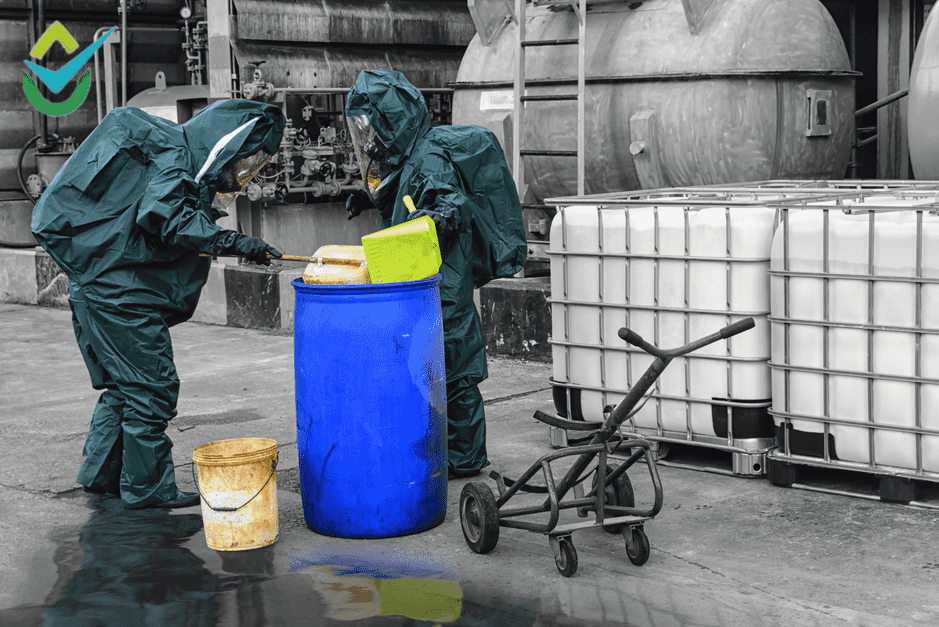
Consider a real-world scenario: a Melbourne logistics company inadvertently allowed incompatible chemical drums to mix in a standard collection vehicle. The resulting gas release forced a multi-street evacuation and led to soil remediation costs topping $600,000. Such incidents aren’t just news headlines—they’re reminders that without careful classification, separation, and handling, risks escalate from theoretical to catastrophic.
Dumping these items has ripple effects. Hazardous waste leaching into Victorian groundwater or contaminating urban waterways doesn’t just affect plants and wildlife, but also crops and drinking supplies. Fire and explosions from volatile substances, sometimes caused by disposal in general rubbish or the wrong bin, put council workers and the general public directly in harm’s way.
How Does Victoria’s Regulatory Framework Protect Melbourne?
The Environment Protection Act 2017 gives the EPA powerful tools not just for enforcement, but for active prevention. The Waste Tracker system, now mandatory for all reportable priority waste, means every hazardous load is tracked from source to disposal—eliminating dump-and-run risks and allowing immediate tracking should problems arise.
Transporters now require purpose-specific permits (A10a for general, A10b for clinical), regular vehicle inspections, and trained drivers—reducing incidents both on Melbourne’s busy roads and at disposal sites. For businesses, audits are no longer a box-ticking exercise; ongoing risk reviews and regular environmental training are essential for compliance.
Households, too, play a key part, with examples like “Detox Your Home” events—held in local council areas—which have safely removed thousands of litres of dangerous chemicals from residential circulation. These programs demonstrate the effectiveness of community-focused education and free, accessible drop-off points.
What Distinguishes Professional Hazardous Waste Management in Melbourne?
Professional operators go beyond simple collection. The most advanced companies offer:
- Risk-Based Waste Audits: Identifying unique site risks, reviewing stored materials, and tailoring solutions for each client.
- EPA-Compliant Documentation: Ensuring every step is logged and verifiable, critical in case of audits or environmental incidents.
- Innovative Treatments: Some facilities in Melbourne are pioneering new neutralisation and recycling processes, for instance, extracting rare metals from e-waste or developing local reuse solutions for treated chemicals.
Consider the 2023 example of a battery recycling initiative in Melbourne’s northern suburbs: through advanced separation and recovery, nearly 95% of lead and plastic were successfully reused, keeping these hazardous materials out of landfill and lowering demand for mining of new raw materials.
Safer Disposal Means a Healthier Melbourne
Preventing hazardous waste incidents protects Melbourne’s rivers, parks, and neighbourhoods. Following the EPA’s rigorous standards, engaging specialist providers, and leveraging state initiatives help reduce both environmental damage and financial liability. Working with experienced hazardous waste management providers, such as MD Recovery, ensures that waste is handled, transported, and disposed of in full compliance with Victorian regulations. Each business and resident has a role in upholding the standards that make Victoria a leader in responsible waste management. Contact us for all your hazardous waste disposal needs!