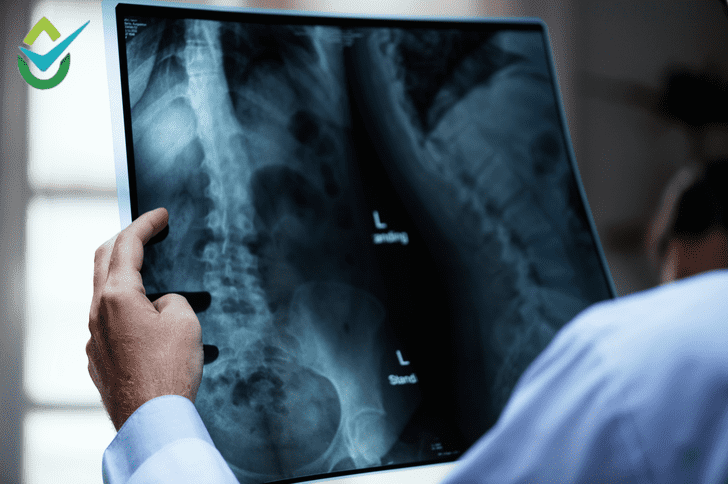
Most medical practices in Australia have moved to digital imaging, yet storerooms across the country remain cluttered with old radiographic films. Whether you’re a hospital administrator managing decades of archives or a homeowner who just found an old envelope of medical scans, getting rid of them isn’t as simple as tossing them in the recycling bin.
X-ray films contain silver and hazardous chemicals that require specialized handling to protect our environment. Plus, they often hold sensitive patient data that must be destroyed to comply with privacy laws.
If you are wondering how to dispose of X-ray films safely, this guide covers everything you need to know about the process, legal requirements, and how professional services can make it easy.
Why is Proper X-Ray Film Disposal Critical?
It might look like just a piece of plastic, but an X-ray film is actually a complex chemical sandwich. Disposing of it incorrectly poses two major risks:
- Environmental Contamination: Traditional X-ray films are coated with an emulsion containing silver. If these films end up in landfill, the silver and other chemical components can leach into the soil and groundwater, causing toxic contamination.
- Data Security Breaches: Under the Australian Privacy Act, medical records—including X-rays—are classified as sensitive health information. Throwing them in general waste leaves patient names and medical histories vulnerable to theft.
The Dangers of Improper X-Ray Film Disposal
What happens if you just shred them or throw them away?
- Environmental Harm: Silver is a heavy metal. When it degrades in a landfill, it becomes an environmental hazard. Conversely, when recovered properly, it is a valuable resource that can be recycled and reused.
- Legal Consequences: Medical facilities have a legal obligation to ensure patient data is irretrievable. A simple shredder often isn’t enough to satisfy strict destruction standards, potentially leading to hefty fines and reputational damage.
- Workplace Risks: Storing old films indefinitely creates fire hazards and takes up valuable space that could be used for patient care.
Who Needs Professional X-Ray Film Disposal Services?
While digital x-rays are the norm now, many sectors still generate or store physical films. Professional disposal services are essential for:
- Hospitals and Medical Centres: managing large archives of patient history.
- Dental Practices: disposing of older, small-format dental X-ray film.
- Veterinary Surgeries: clearing out animal health records.
- Chiropractic Clinics: managing spinal imaging records.
- Industrial Sites: disposing of Non-Destructive Testing (NDT) and lithographic films.
How MD Recovery’s Safe Disposal Process Works
At MD Recovery, we have refined a secure process that prioritizes both security and sustainability. Here is how we handle medical X-ray disposal:
1. Collection
We provide convenient collection options to suit your volume, including secure wheelie bins or heavy-duty bags. We come to you, minimizing disruption to your clinic or facility.
2. Secure Transport
Your films are transported securely to our facility. We maintain a strict chain of custody to ensure no unauthorized access occurs during transit.
3. EPA-Licensed Incineration
We utilize Australia’s only known EPA-licensed facility of its kind for this specific process. Incineration is the gold standard for radiographic film disposal because it ensures the complete destruction of the plastic film and the image it holds.
4. Data Destruction
Because the film is incinerated, 100% of the patient data is destroyed. There is no piecing it back together. This guarantees compliance with privacy regulations.
5. Silver Recovery
Once the film is incinerated, we process the ash residue to recover the silver. This silver is then refined and recycled, turning a potential pollutant into a reusable resource.
The Benefits of Incineration for Radiographic Film Disposal
Why do we incinerate rather than wash? Incineration offers the highest level of security. When films are washed to remove silver, the plastic sheet remains, sometimes leaving traces of the image or patient stickers behind. Incineration burns the film to ash, rendering the data completely unrecoverable while allowing for efficient silver extraction.
X-Ray Film Recycling for Victorian Residents
If you are a resident in Victoria clearing out a home filing cabinet, you don’t need to hire a commercial service.
MD Recovery has partnered with local councils across Victoria to provide free drop-off points for residential X-ray disposal. You can drop off your old medical, dental, or veterinary X-rays at these designated locations, and we will collect them for secure destruction and silver recovery.
Tip: Check your local council website to find the nearest transfer station or recycling centre that accepts X-rays.
Making the Switch: How to Start
Ready to clear out your storeroom? Here is how to get started with MD Recovery:
- Assess Your Volume: Do you have a few boxes or a whole room full of hospital X-ray film disposal needs?
- Contact Us: Reach out to our team to discuss your needs.
- Schedule Collection: We will drop off the necessary bins or bags and schedule a pickup time.
- Receive Certification: For commercial clients, we provide the necessary documentation to prove your films have been destroyed in compliance with EPA and privacy guidelines.
Secure Your Data and Protect the Environment Today
Proper veterinary, dental, and medical X-ray disposal is about more than just cleaning up; it’s about protecting patient privacy and our planet. By choosing a licensed, professional service, you ensure that hazardous materials are kept out of landfills and valuable silver is given a second life.
Ready to arrange a collection? Contact MD Recovery today to set up your safe, secure, and compliant disposal service.