Proper waste management is crucial for protecting public health and the environment. Understanding the different types of hazardous waste helps businesses and organisations make informed decisions about safe disposal practices. For those seeking professional hazardous waste disposal Melbourne services, recognising these categories ensures compliance with regulatory requirements while safeguarding your community.

Characteristically Hazardous Waste: Four Key Properties
Characteristically hazardous waste disposal Melbourne facilities handle materials that exhibit dangerous physical or chemical properties. These wastes pose risks due to their inherent characteristics rather than their specific composition. Understanding these four characteristics helps identify when professional disposal services are necessary.
Ignitability
Ignitable wastes present fire hazards under normal handling conditions. A waste qualifies as ignitable if it meets any of these criteria:
- Liquids with flash points below 60°C
- Flammable solids that burn vigorously through friction or moisture absorption
- Compressed gases that ignite easily
- Oxidisers classified by transport authorities
Common ignitable wastes include paint thinners, alcohol-based solvents, and certain cleaning products. These materials require specialised storage and handling procedures to prevent accidents.
Corrosivity
Corrosive wastes can cause severe damage to living tissue and materials. These substances are classified as corrosive when they:
- Have a pH of 2.0 or lower (strong acids)
- Have a pH of 12.5 or higher (strong alkalis)
- Can corrode steel at rates exceeding 6.35mm per year
Battery acids, rust removers, and industrial cleaners frequently fall into this category. Proper containment and neutralisation procedures are essential before disposal.
Reactivity
Reactive wastes are unstable and can cause dangerous reactions under normal conditions. These materials may:
- React violently with water or air
- Generate toxic gases when mixed with acids
- Explode or detonate under pressure or heat
- Contain cyanide or sulfide compounds
Examples include certain laboratory chemicals, expired ammunition, and some industrial catalysts. Special handling protocols prevent dangerous reactions during transport and processing.
Toxicity
Toxic wastes contain harmful concentrations of specific hazardous constituents. The regulations specify 40 different toxic compounds, including:
- Eight heavy metals (lead, mercury, cadmium, chromium)
- Six pesticides and two herbicides
- Ten volatile organic compounds
- Fourteen semi-volatile organic compounds
Materials exceeding prescribed concentration limits require careful assessment and appropriate disposal methods.
Listed Hazardous Wastes: Four Regulatory Categories
Listed hazardous wastes are specifically identified in environmental regulations regardless of their characteristics. These materials appear on four distinct lists that cover various industrial and commercial waste streams.
F-Listed Wastes
F-listed wastes include 28 different waste types from common industrial processes:
- Spent halogenated and non-halogenated solvents
- Metal finishing sludges and solutions
- Dioxin-containing wastes from chemical production
- Wood preserving wastes and petroleum refining byproducts
These wastes often originate from routine manufacturing operations and require systematic identification and proper disposal.
K-Listed Wastes
K-listed wastes encompass over 100 specific wastes from particular industrial processes. Key industries generating K-listed wastes include:
- Wood preserving operations
- Petroleum refining facilities
- Primary and secondary metals manufacturing
- Chemical production (inks, pigments, pesticides, explosives)
The specific industrial process determines whether a waste qualifies for K-listing, making accurate process knowledge essential.
U-Listed Wastes
U-listed wastes include hundreds of commercial chemical products containing listed constituents as the sole active ingredient. These wastes consist of:
- Off-specification virgin materials being discarded
- Container residues from listed chemicals
- Spill residues and cleanup materials
Only products with listed constituents as the primary ingredient qualify for U-listing, requiring careful ingredient analysis.
P-Listed Wastes
P-listed wastes represent approximately 200 acutely hazardous commercial chemical products. These materials are particularly toxic and include:
- Highly poisonous pesticides and laboratory reagents
- Certain pharmaceutical compounds
- Extremely toxic industrial chemicals
Even small quantities of P-listed wastes trigger stringent regulatory requirements due to their extreme hazard potential.
Other Types of Hazardous Waste
Universal Waste
Universal wastes follow streamlined regulations while maintaining environmental protection. Common universal wastes include:
- Batteries: Lead-acid, nickel-cadmium, and mercury-containing types
- Mercury-containing equipment: Thermostats, switches, and measuring devices
- Fluorescent lamps: All mercury-containing lighting products
- Electronic equipment: Computers, monitors, and consumer electronics
These materials benefit from simplified collection and recycling programs while ensuring proper environmental management.
Used Oil
Used oil receives special regulatory treatment due to its recycling potential. Qualifying used oils include:
- Engine oils and transmission fluids
- Hydraulic and compressor oils
- Metalworking and heat transfer fluids
- Contaminated or degraded synthetic lubricants
Proper used oil management maximises recycling opportunities while preventing environmental contamination.
Household Hazardous Waste
Household hazardous wastes mirror their commercial counterparts but originate from residential activities. Common examples include:
- Paints, stains, and solvents
- Garden pesticides and fertilisers
- Automotive fluids and batteries
- Household cleaners and chemicals
While exempt from commercial regulations, these materials still require responsible disposal through authorised collection programs.
Non-RCRA Hazardous Wastes
Some jurisdictions regulate additional waste types that don’t meet federal hazardous waste definitions. These materials share similar properties with hazardous wastes and require special handling despite their regulatory status.
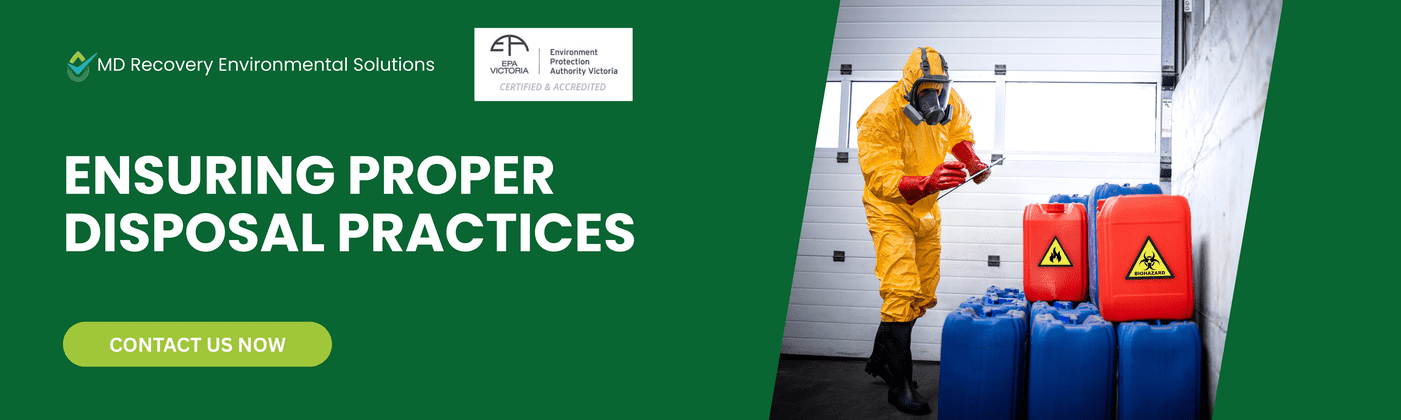
Ensuring Proper Disposal Practices
Professional chemical waste disposal Melbourne services provide expertise in handling all hazardous waste categories safely and legally. Trained specialists assess waste characteristics, determine appropriate disposal methods, and ensure regulatory compliance throughout the process.
Understanding these four types of hazardous waste enables better decision-making about disposal requirements. Whether dealing with characteristically hazardous materials, listed wastes, or special categories like universal waste, proper identification and handling protect both human health and environmental quality. When facing complex waste disposal challenges, consulting qualified hazardous waste disposal Melbourne professionals ensures appropriate treatment while meeting all regulatory obligations.