
Proper waste management chemical disposal isn’t just a regulatory requirement—it’s a critical responsibility that protects public health, environmental integrity, and business continuity. Every year, thousands of tonnes of chemical waste are generated across industries, from manufacturing plants to research laboratories, creating potential hazards that demand expert handling and disposal.
The consequences of mismanaged chemical waste extend far beyond immediate environmental damage. Businesses face significant financial penalties, reputational harm, and legal liability when disposal protocols fail. Understanding the complexities of chemical waste management enables organisations to maintain operational excellence whilst fulfilling their duty of care to communities and ecosystems.
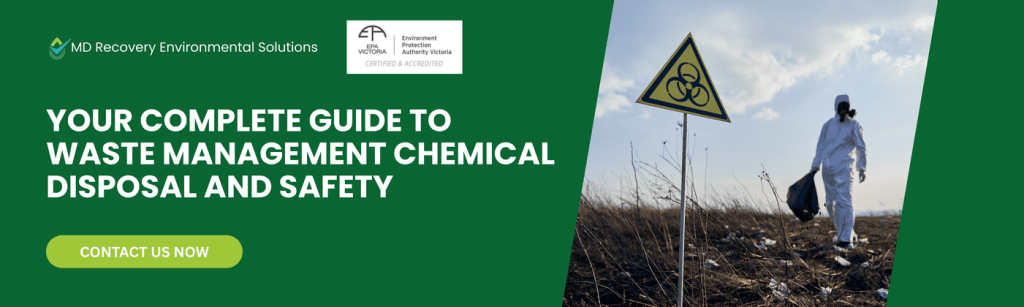
The Hidden Dangers of Improper Chemical Disposal
Inadequate chemical waste handling creates cascading risks that can devastate both human health and environmental systems. Toxic substances leaching into groundwater supplies contaminate drinking sources for entire communities, whilst airborne chemical vapours pose immediate respiratory threats to workers and nearby residents.
The financial implications prove equally severe. Regulatory violations can result in penalties exceeding hundreds of thousands of dollars, alongside costly remediation efforts that may span years. Insurance claims related to environmental damage often face exclusions, leaving businesses to absorb the full financial impact of contamination incidents.
Beyond immediate hazards, improper disposal creates long-term environmental legacy issues. Persistent chemicals accumulate in soil and water systems, affecting wildlife populations and agricultural productivity for decades. These impacts ultimately circle back to affect human health through contaminated food chains and compromised natural resources.
Understanding Chemical Waste Categories
Chemical waste classification forms the foundation of effective disposal strategies. Hazardous waste categories include ignitable materials with flash points below 60°C, corrosive substances with pH levels below 2 or above 12.5, reactive compounds that become unstable under normal conditions, and toxic materials that pose immediate health risks.
Laboratory waste requires particularly careful categorisation, as small quantities of highly dangerous substances often mix with seemingly benign materials. Pharmaceutical waste presents unique challenges, combining regulatory complexity with public health concerns about drug contamination in water supplies.
Industrial solvents, acids, and bases represent the largest volume categories in most facilities. These materials require segregation by compatibility groups, as mixing incompatible chemicals can trigger dangerous reactions during transport or storage. Proper labelling and documentation become essential for maintaining chain-of-custody protocols throughout the disposal process.
Essential Steps for Waste Management Chemical Disposal
Effective waste management chemical disposal begins with comprehensive staff training and clear procedural guidelines. Workers must understand material safety data sheets, proper container selection, and emergency response protocols before handling any chemical waste streams.
Segregation represents the critical first step in safe disposal. Compatible waste streams should be grouped together, whilst incompatible materials require separate containment systems. Secondary containment measures protect against spill incidents, providing an additional safety barrier during storage and transport phases.
Documentation requirements extend throughout the entire disposal chain. Waste manifests, transportation records, and disposal certificates create audit trails that demonstrate regulatory compliance. Regular inventory assessments help identify accumulating waste streams before storage limits are exceeded, preventing regulatory violations and safety hazards.
Container integrity must be maintained through regular inspections and proper storage conditions. Chemical compatibility with container materials prevents degradation that could lead to containment failures. Climate-controlled storage areas protect waste integrity whilst minimising worker exposure risks.
Regulatory Compliance in Waste Management Chemical Disposal
Australian environmental regulations establish stringent requirements for chemical waste management across all industry sectors. The Environmental Protection Act creates legal frameworks that hold businesses accountable for waste streams from generation through final disposal.
Licensed waste transport contractors must handle all hazardous chemical movements, ensuring vehicles meet safety specifications and drivers possess appropriate certifications. Transport documentation must accompany every shipment, creating legal accountability at each transfer point.
Disposal facility licensing requirements guarantee that receiving facilities possess appropriate treatment capabilities for specific waste streams. Regular compliance audits verify that facilities maintain operational standards and environmental protection measures.
Record-keeping obligations extend for minimum five-year periods, requiring businesses to maintain comprehensive documentation of all waste management activities. These records become essential during regulatory inspections and potential enforcement actions.
The Strategic Value of Professional Waste Management Partnerships
Partnering with established waste management companies transforms chemical disposal from a compliance burden into a strategic advantage. Professional providers bring specialised knowledge, regulatory expertise, and comprehensive service capabilities that exceed internal capacity limitations.
Cost efficiencies emerge through optimised collection schedules, waste stream consolidation, and bulk disposal arrangements. Professional partners often identify waste reduction opportunities that decrease both disposal costs and environmental impacts, creating long-term financial benefits.
Risk mitigation represents perhaps the greatest value proposition. Professional waste managers assume liability for proper handling, transport, and disposal activities, protecting businesses from potential regulatory violations and environmental incidents. Comprehensive insurance coverage provides additional protection layers against unforeseen circumstances.
Building a Sustainable Waste Management Chemical Disposal Strategy
Effective waste management chemical disposal requires more than regulatory compliance—it demands a commitment to environmental stewardship and operational excellence. Businesses that prioritise proper chemical waste management protect their communities, preserve their reputations, and maintain the operational integrity that drives long-term success.
Professional partnerships provide the expertise and resources necessary to navigate complex regulatory requirements whilst optimising cost efficiency. The investment in proper chemical disposal services ultimately preserves business legacies and demonstrates the responsible leadership that stakeholders expect from modern organisations.
Ready to elevate your chemical waste strategy? Partner with MD Recovery to ensure safe, compliant, and cost-effective disposal—because sustainability starts with responsibility.
