Misinformation about waste management chemical disposal doesn’t just cause confusion — it leads to environmental harm, hefty fines, and serious safety risks. At MD Recovery, we see the consequences of these misconceptions every day. Here are five of the most common hazardous waste disposal myths — and the facts that replace them.
MYTH 1: “Small quantities of chemical waste don’t need professional disposal.”
The Truth: Volume Doesn’t Determine Hazard
Toxicity — not quantity — is what makes a chemical dangerous. Even a few litres of concentrated acid, reactive solvent, or heavy-metal-bearing liquid can cause serious environmental damage if mismanaged. Under Victoria’s Environment Protection Act 2017 and the national Controlled Waste NEPM, there are no volume-based exemptions for genuinely hazardous materials. If the chemical is classified as hazardous, it requires a compliant disposal pathway — full stop.
MYTH 2: “Diluting chemicals before pouring them down the drain makes it safe.”
The Truth: Dilution Is Not a Disposal Method
Many industrial chemicals — solvents, heavy metals, chlorinated compounds — don’t break down in water. They pass through wastewater treatment largely intact and accumulate in waterways and ecosystems. Melbourne Water and EPA Victoria explicitly prohibit trade waste containing hazardous chemicals from entering the sewer, even in diluted form, without prior approval. Beyond legality, mixing incompatible chemicals during ‘dilution’ can trigger dangerous reactions. Learn how to properly dispose of chemical waste in Melbourne — segregate and collect, don’t pour.”
MYTH 3: “Empty chemical containers can go in the general waste bin.”
The Truth: Empty Containers Rarely Are
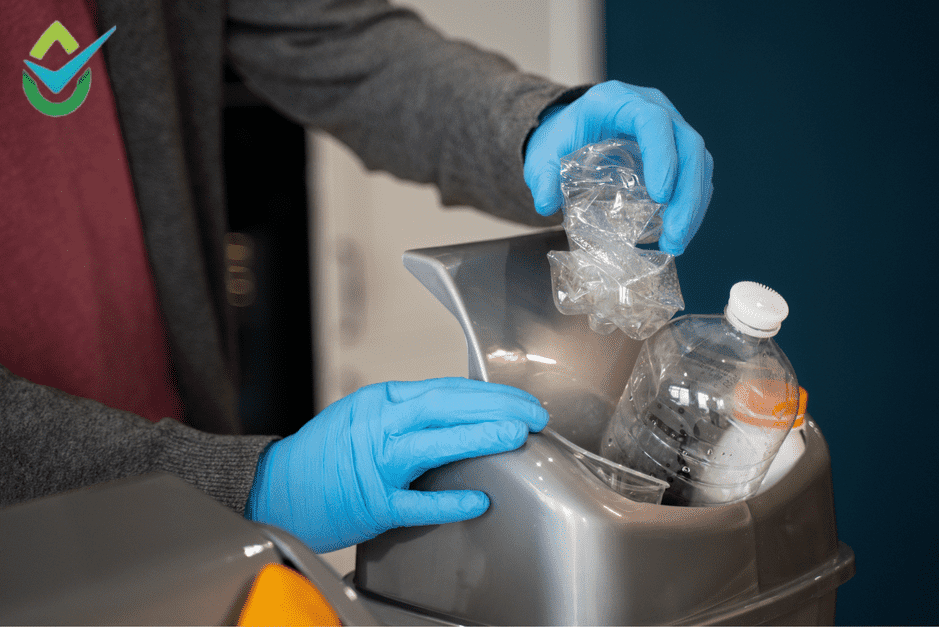
A 200-litre drum classified as ’empty’ can still contain several kilograms of residue. Solvents vapourise and accumulate; corrosives leach through packaging; reactive materials can reactivate under heat. Australian Standard AS 4452 and the Australian Dangerous Goods Code both treat residue-bearing containers as hazardous until they’ve been triple-rinsed and verified clean — or disposed of through a licensed pathway. MD Recovery’s chemical waste collection in Melbourne includes drums, IBCs, and tins — when in doubt, treat the container as you would its contents.
MYTH 4: “Any waste disposal company can handle hazardous chemicals.”
The Truth: Licensing Is Specific — and Your Responsibility to Verify
EPA Victoria issues separate licences for the transport, storage, and disposal of prescribed industrial waste (PIW). A general waste carrier licence does not cover it. Critically, Victoria’s duty of care provisions mean that if you use an unlicensed contractor, your business may remain liable for any resulting environmental harm — even if you didn’t know they were unlicensed. Always request EPA licence details, confirm they cover your waste categories, and ensure you receive documented waste consignment certificates for every collection. Find out more about why safe hazardous waste disposal and proper licensing matters for Melbourne businesses.
MYTH 5: “Hazardous waste regulations only apply to large industrial operations.”
The Truth: Small Businesses Generate Regulated Waste Too
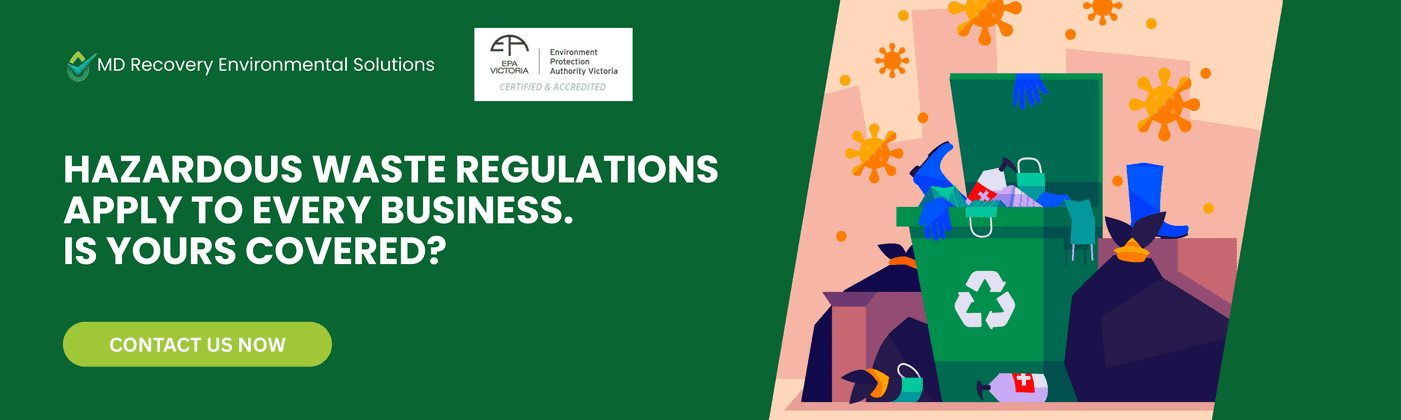
Auto workshops, dental clinics, print studios, and cleaning businesses all generate prescribed industrial waste under Victorian regulations. EPA Victoria classifies waste by its chemical characteristics — toxicity, corrosivity, reactivity, flammability — not by the size of the business producing it. If your business uses chemicals with hazard warnings on the label, you almost certainly generate some form of regulated waste. The compliance obligation is the same regardless of volume or business size. Find out how to arrange chemical waste collection for your Melbourne business — no matter your size or industry.
The Bottom Line
These waste management chemical disposal myths put businesses, communities, and the environment at risk. The hazardous waste disposal facts are straightforward:
- Hazardous chemicals require compliant disposal regardless of quantity.
- Dilution is not a legal or safe disposal method.
- Residue-bearing containers must be treated as hazardous waste.
- Only EPA-licensed contractors can legally handle prescribed industrial waste.
- Compliance applies to all businesses that generate chemical waste — not just large operators.
MD Recovery provides licensed hazardous waste disposal across Melbourne and Victoria for businesses of all sizes. Learn how to store and prepare hazardous waste for collection, or contact us today at mdrecovery.com.au to arrange a hazardous waste disposal Melbourne assessment.