If your Melbourne business generates hazardous waste, chances are you have encountered a waste transport certificate — or should have. This document is not just administrative paperwork. It is a legally required record that tracks hazardous waste from the moment it leaves your premises to the point of final disposal. Understanding how to read one, and what to look for, is an essential part of running a compliant operation in Victoria.
What Is an EPA Waste Transport Certificate?
A waste transport certificate (WTC) is a formal document required under Victoria’s Environment Protection Act 2017 for the transport of reportable priority waste. This includes materials such as solvents, acids, caustics, paints, oils, pesticides, photographic chemicals, and laboratory waste — the kinds of substances that many Melbourne businesses generate on a regular basis.
The certificate must accompany every load of regulated hazardous waste while it is being transported. Its purpose is to create a clear, auditable chain of custody, so the EPA can verify that hazardous materials have been handled and disposed of correctly from start to finish. If you are unsure whether the materials your business generates fall under this classification, our guide on what the four types of hazardous waste are is a good starting point.
Key Sections to Understand
A standard EPA waste transport certificate contains several important fields. When reviewing one, you should be able to identify the following:
Waste generator details — Your business name, address, and EPA premises ID (if applicable). These fields confirm the point of origin of the waste.
Waste description and classification — The type of waste being transported, including its EPA waste code. Different waste streams carry different regulatory obligations, so this section must accurately reflect what is actually being collected. For a broader overview of how various chemical waste streams are managed, see our complete guide to waste management chemical disposal.
Quantity — The volume or weight of the waste. This should match what your business has prepared for collection.
Transporter details — The name and EPA licence number of the company collecting your waste. This is one of the most critical fields to verify. Any business transporting regulated hazardous waste in Victoria must hold a valid EPA licence. If a contractor cannot produce this, do not engage them.
Receiving facility details — The name and EPA licence number of the facility receiving the waste for treatment or disposal. Like the transporter, this facility must be EPA-licensed. Sending waste to an unlicensed site — even unknowingly — can expose your business to liability.
Signatures and dates — The certificate must be signed by the waste generator, the transporter, and the receiving facility. An incomplete or unsigned certificate is a compliance risk.
Why This Matters for Your Business
Victoria’s EPA can trace the entire chain of custody for hazardous waste disposal. If waste is mishandled at any point — by the transporter or at the receiving facility — your business may still face scrutiny as the generator. Maintaining accurate, complete waste transport certificates is your primary protection if questions ever arise.
Certificates must be retained for a minimum period following disposal. Accepting incomplete documentation from a contractor is not a valid defence in the event of an EPA investigation. For context on just how serious the consequences can be, our post on penalties for illegal hazardous waste dumping in Victoria outlines the enforcement powers the EPA holds.
Red flags to watch for include missing EPA licence numbers, vague waste descriptions, certificates with blank fields, or transporters who cannot provide documentation on request. These are signs that a contractor may not be operating within the law.
Before Collection Day: Preparation Matters Too
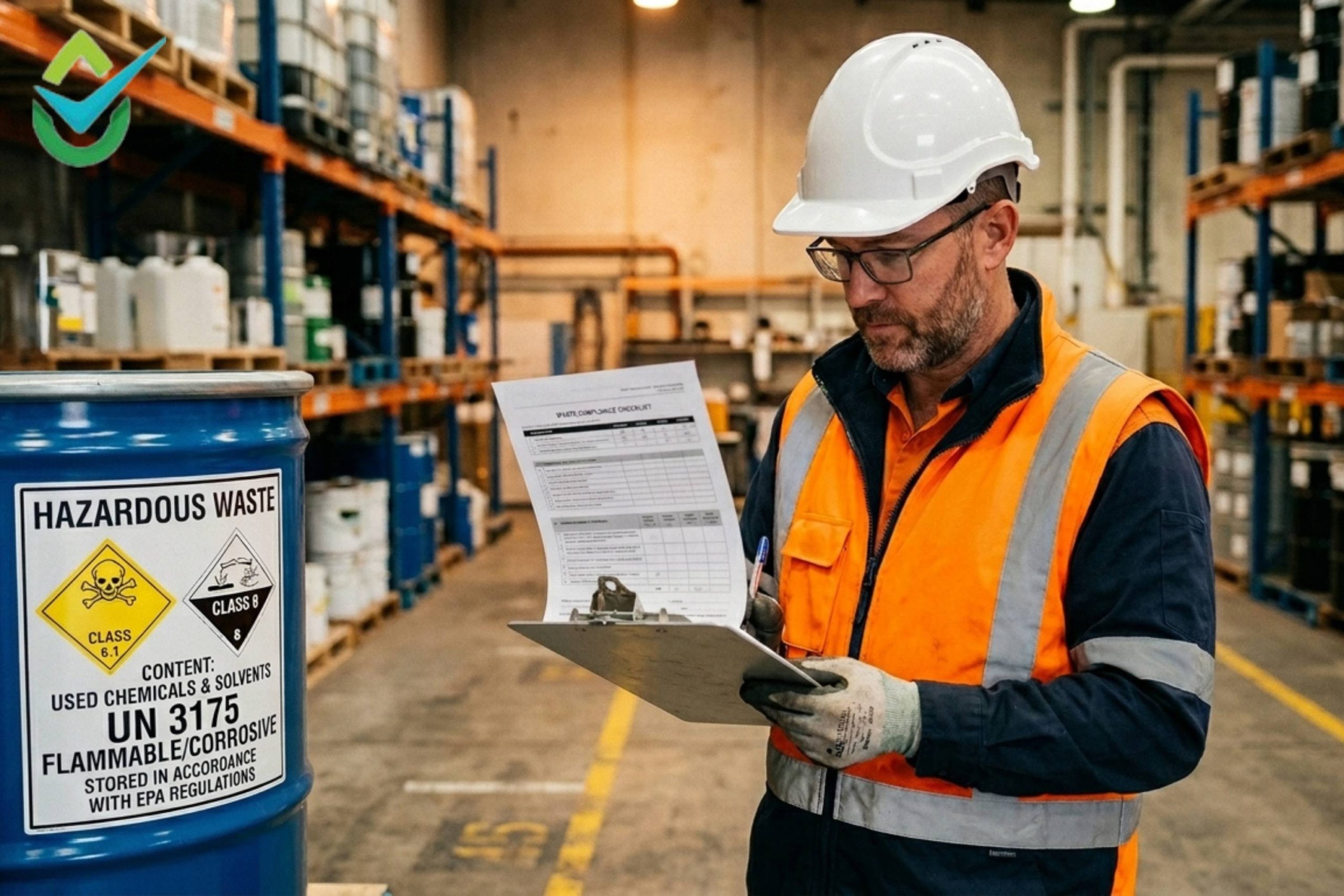
Accurate certificates start with accurate on-site preparation. The information on a WTC — waste type, quantity, classification — can only be correct if your waste is properly identified, segregated, and labelled before collection. Our step-by-step guide on how to store and prepare hazardous waste for safe collection walks through exactly what this involves. Getting your site ready correctly also makes the collection process faster and reduces the risk of documentation errors.
Work with a Licensed Hazardous Waste Contractor
The most reliable way to ensure your waste transport certificates are always accurate and complete is to work with an EPA-licensed hazardous waste disposal provider from the outset. If you have not yet set up a formal collection arrangement for your business, our guide on how to arrange chemical waste collection for your Melbourne business covers what the process looks like.
At MD Recovery, we handle all required documentation as part of our collection service. With over 25 years of experience in hazardous waste disposal across Melbourne and Victoria, our team manages chemical waste, solvents, acids, photographic chemicals, and more — with full compliance at every step.
If you want peace of mind that your hazardous waste is being managed correctly, contact MD Recovery today for a quote or to arrange a scheduled collection service.